Marc Ràdua: "Skiing, for as long as I can do it, will always be part of my life."
REAL STORIES
Published 28 Dec 2025
/
By
Ona Canales
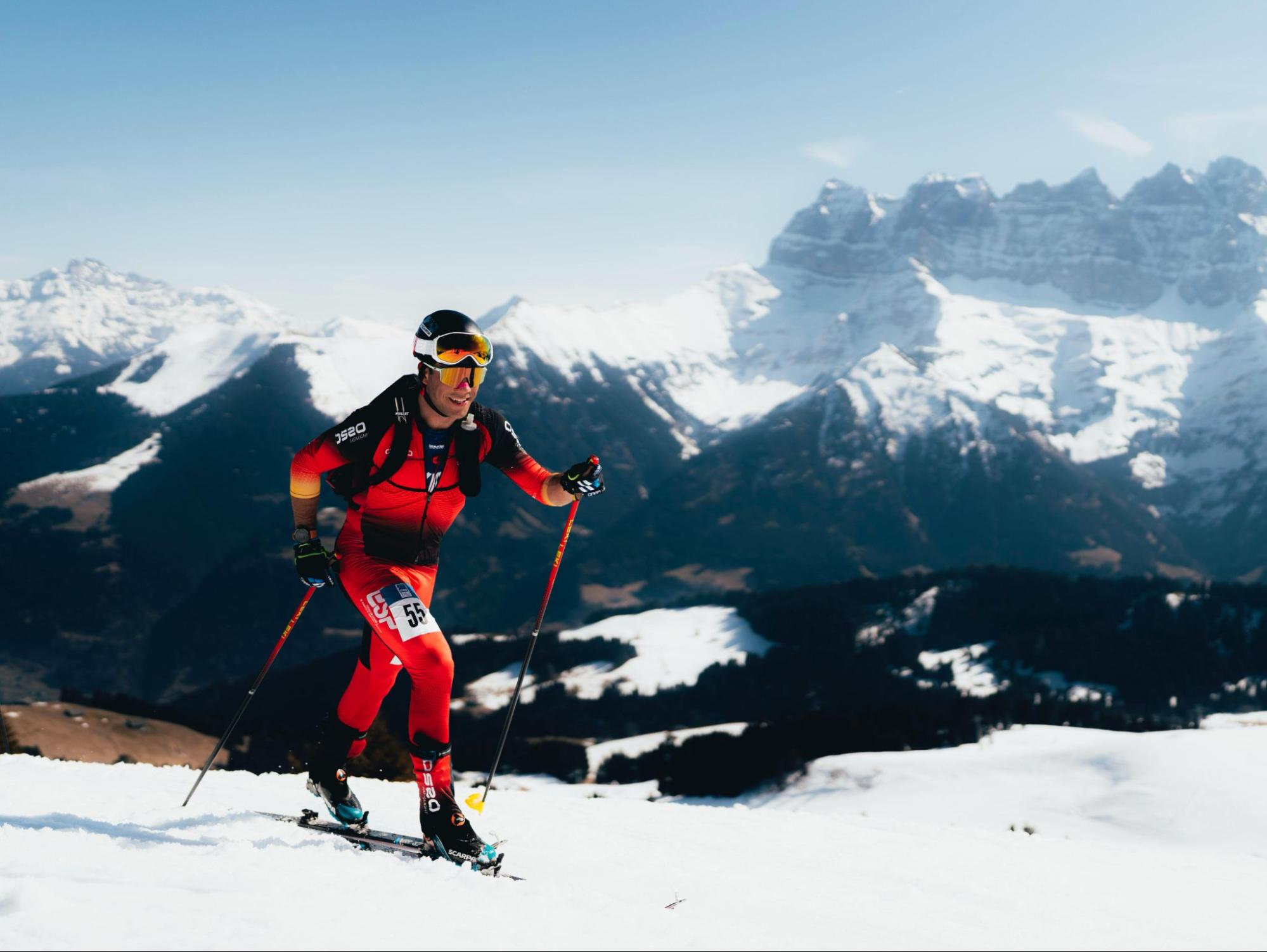
“What’s the most incredible place you’ve ever skied?” I ask him. He thinks about it for a few seconds. “Norway, the Italian Alps, the French Alps… But there’s nowhere like home,” he says. “It’s where I most feel like going skiing.” He drops that line and doesn’t exaggerate it. The best thing is that I don’t think he’s saying it just to sound good. Meet Marc Ràdua.
His sporting story began at the age of four, with alpine skiing. As a teenager, he switched to ski mountaineering, a discipline he describes as “very rewarding to train for” because it “pushes the body to the limit first and then provides a reward.” He is 23 years-old now.
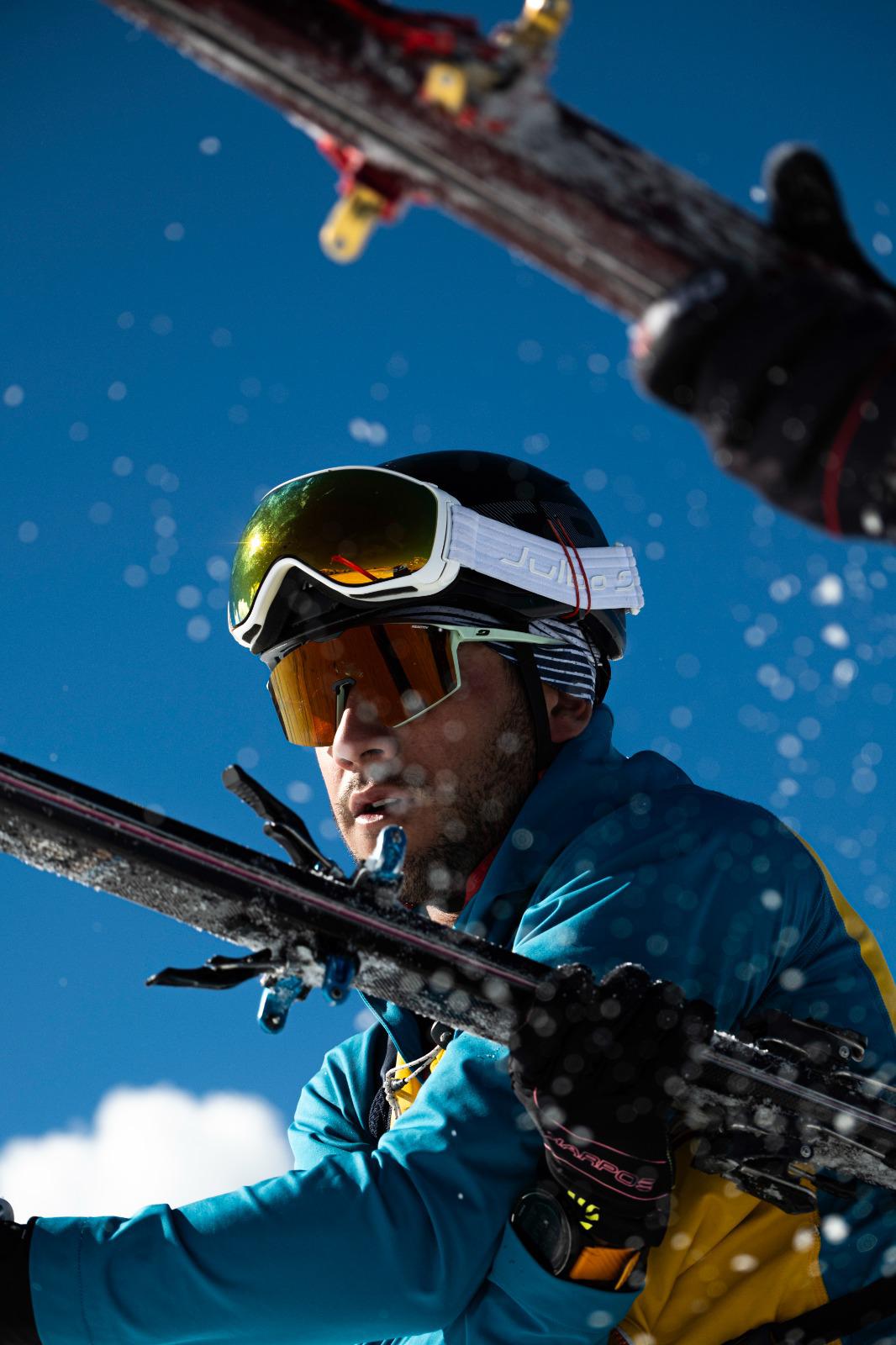
Born in El Vendrell, Marc now lives in Claverol. When he mentions the place name, I try not to look too uncultured, but he quickly clears it up for me: it’s a small village in Pallars Jussà. He moved there with his family about ten years ago and has lived in the mountains ever since. That setting – along with him being an elite level athlete - led him to study not one, but two university degrees remotely: Communication and Law. “I enjoy studying,” he says, playing down his achievements. Marc, please tell me how you do it? “I just make the time.” A humble and pragmatic approach. I feel some admiration and admittedly, some envy at his ease with everything.
So much excellence can be hard to digest, so I steer the conversation elsewhere. “How do you manage the emotional side of sport when competing at a world level?” Marc laughs. “It’s complicated, sometimes. Now everything is in good shape, but I’ve had moments of mental chaos, when things, for reasons you don’t understand, just don’t work.” He tells me about a period of emotional instability that lasted a couple of years. Competitive sport, he explains, is a demanding environment and if your mind doesn’t perform clearly, neither will your body. Fortunately, “specialist psychological support in sport, which is necessary, is growing.” Egos, conflict, competitiveness… it can all become difficult to manage. That’s why, “support at home is very important,” he adds. I couldn’t agree more.
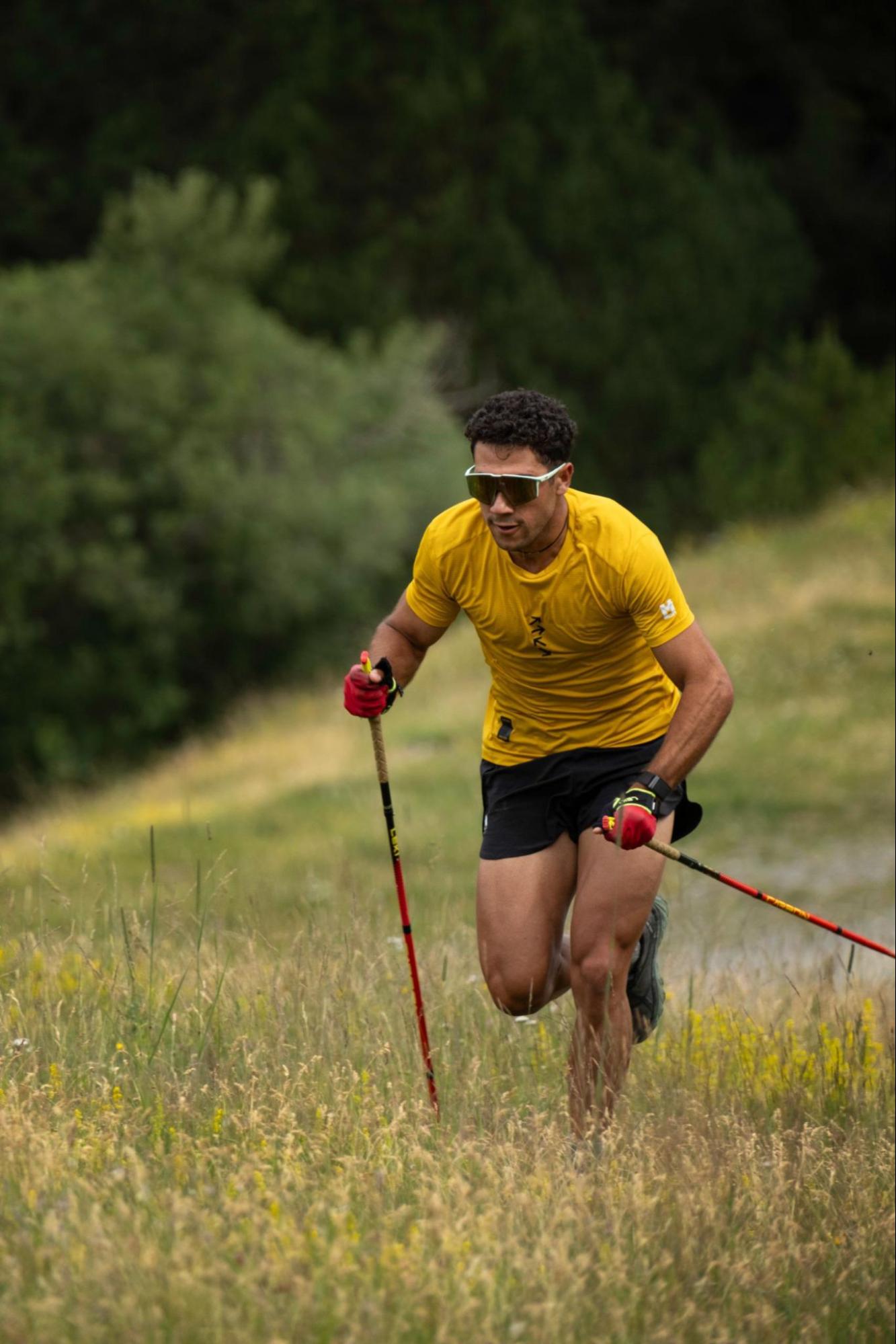
But how does he stay motivated, after so many years, to keep skiing with this level of commitment? One thing is doing it as a hobby, like in the early days (“I needed something to do at the weekend”). In his case, motivation comes from many places: discipline, ambition, a competitive edge… and of course, the feeling of just being in the mountains. “Skiing, for as long as I can do it, will always be part of my life. Just being in contact with the snow is already everything.” Wow. I wish I felt that way about walking the streets of Barcelona.
Discussing the snow naturally leads us to two words that can sound alarming, even apocalyptic, but they’re simply part of modern reality: climate change. What will happen to the future of skiing, Marc? It worries me, but he seems slightly more optimistic than I am. “It’s a complicated issue.” No doubt about that. “Ski mountaineering is shifting towards rather shorter races, but for now it doesn’t affect us.” Fair enough. Perhaps that’s the real problem. Often, it’s only when we can no longer act as we used to that we start looking for solutions to try and recapture something we can’t really get back.
Still, there’s a lot we can do in practical terms for our own health and for the future of the planet. One example is changing eating habits — greener, less sugary, but healthier too. That’s where Salssa comes in for Marc: “I use them very regularly for training.” Why? Because, as he explains, “we train many hours a day. I have teammates who feed exclusively on gels, which in the end are just sugar and more sugars. And also,” he adds, “Salssa tastes really good.” He’s flattering us. And we love it.
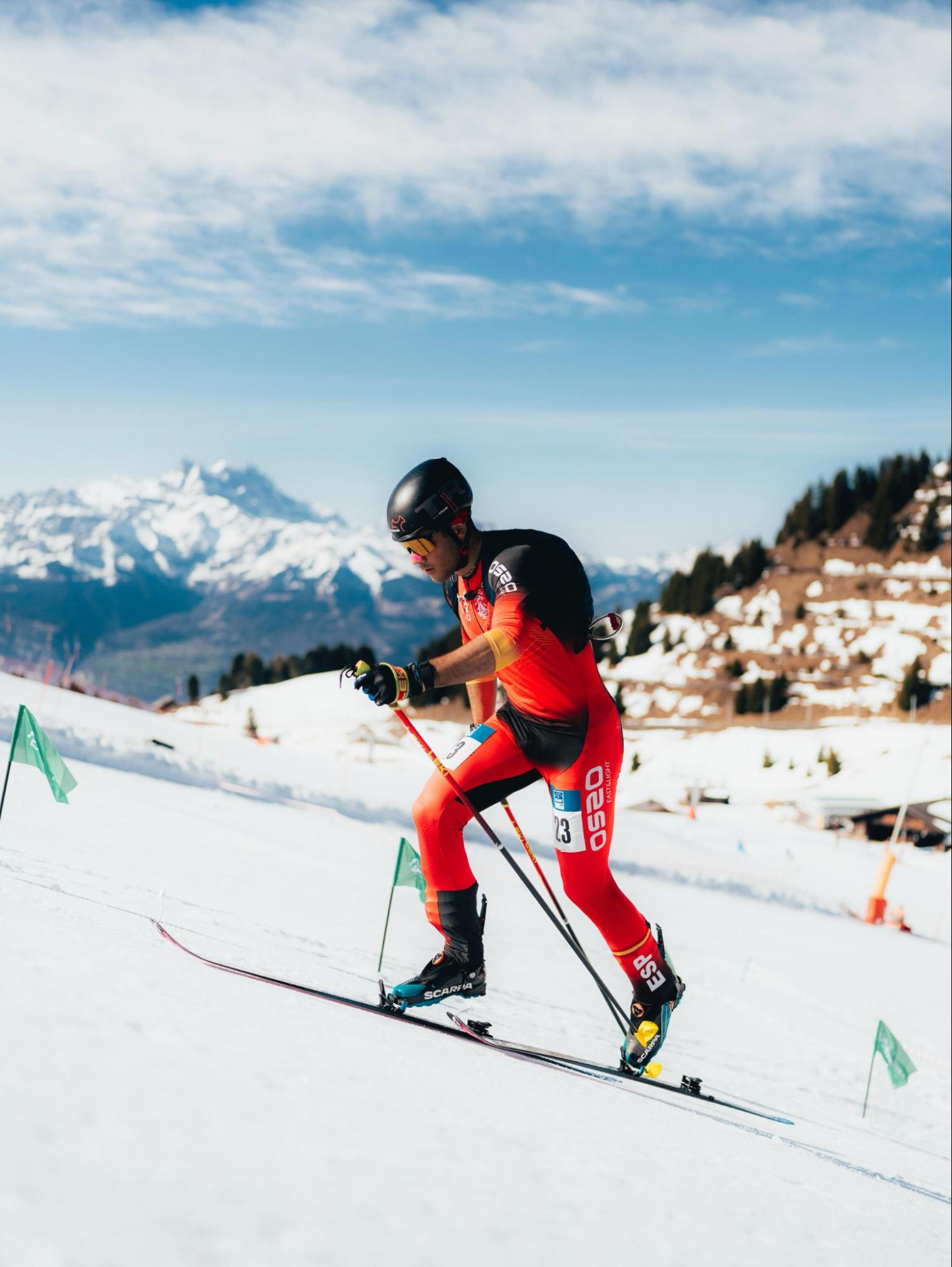
Marc believes that “a more or less disciplined diet is very important.” He says “more or less” because he finds it hard to stick absolutely rigidly to a plan, but underlines that he already feels a positive impact without doing everything perfectly. That feels like the ideal way to end this story. At least for me, it’s often all or nothing: either I do things “properly” or I don’t try at all. How sad is that? Progress could be slower, calmer, without too much pressure. Like Marc’s approach.
Join the Salssa community

Discover how our pouches will take you to the next level